
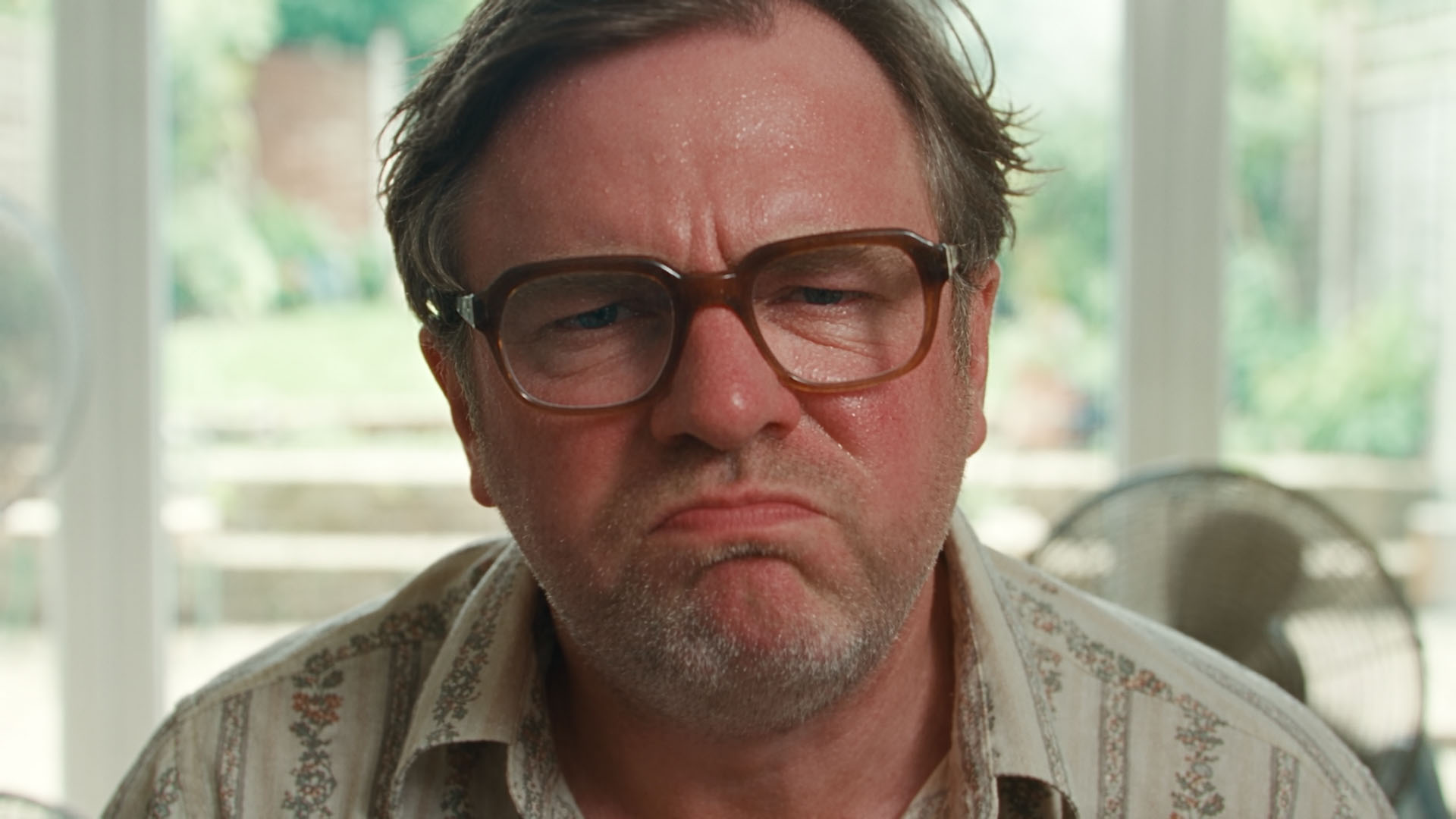
Before committing to final shots, we prototyped the film and tested it. That let us check that the idea, the tone and the look worked together, and change direction early if they didn’t.
This is where AI changes the economics of video production. Testing a bold idea doesn’t need a full shoot, so more ambitious ideas can be tried, and some reach the screen that traditionally wouldn’t.
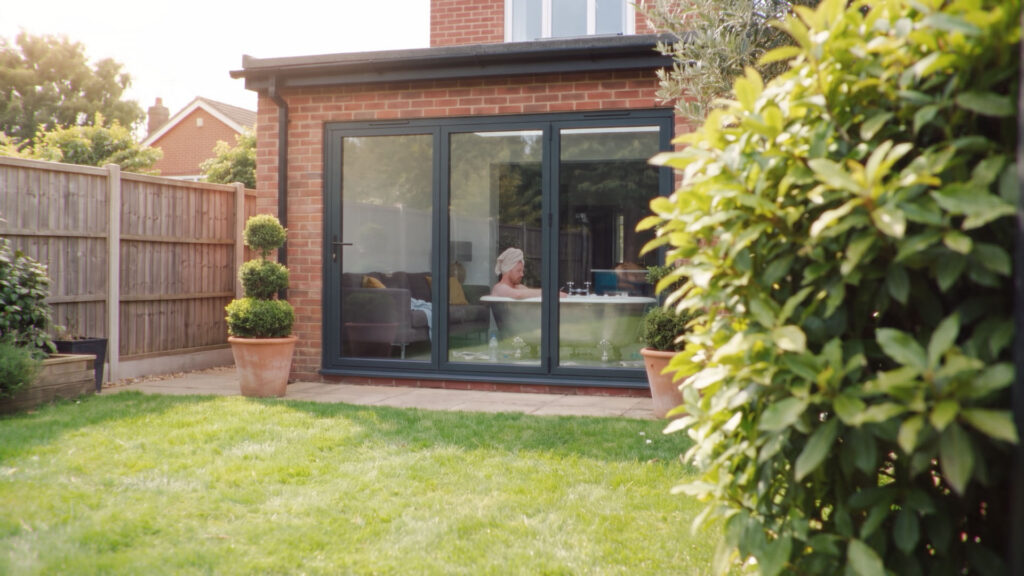
We then created drafts of every shot in Higgsfield, directing each one the way we would on set. The comedy scenes were built with AI, while the glass itself is explained in CGI animation. The tool gives you options, but choosing which shot makes a joke land, how it sits against the next one and where to cut are direction decisions, and they stayed with our filmmakers throughout.
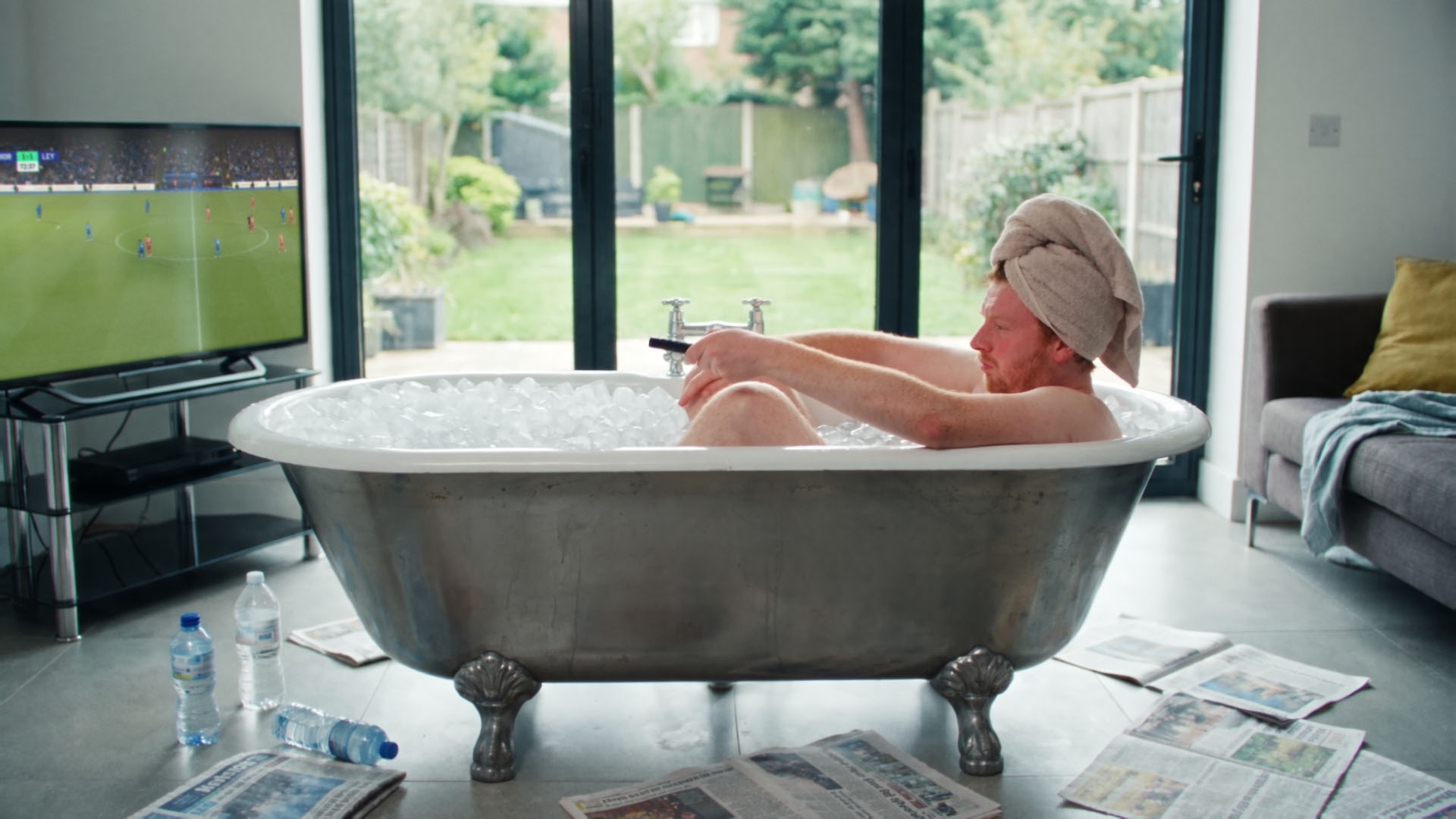
Deadpan comedy lives or dies on timing, and timing is won in the edit. We cut the shots together, recorded the voiceover, then moved into sound design and the final master.
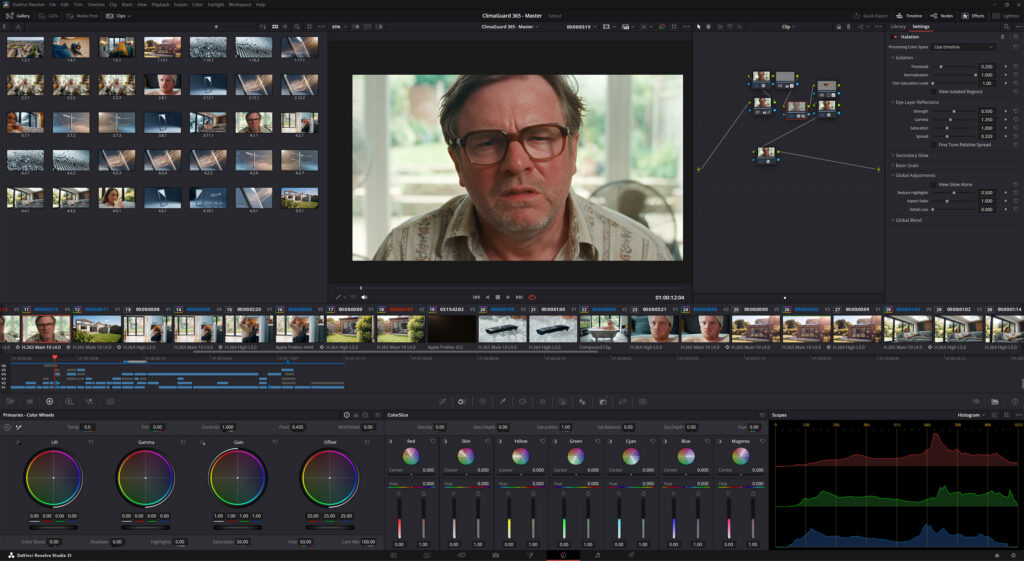
The last stage was colour grading and a finishing edit, which helped the AI and CGI shots sit together as one film. Audiences feel these stages without noticing them, and they’re the same filmmaking craft we bring to every video production.
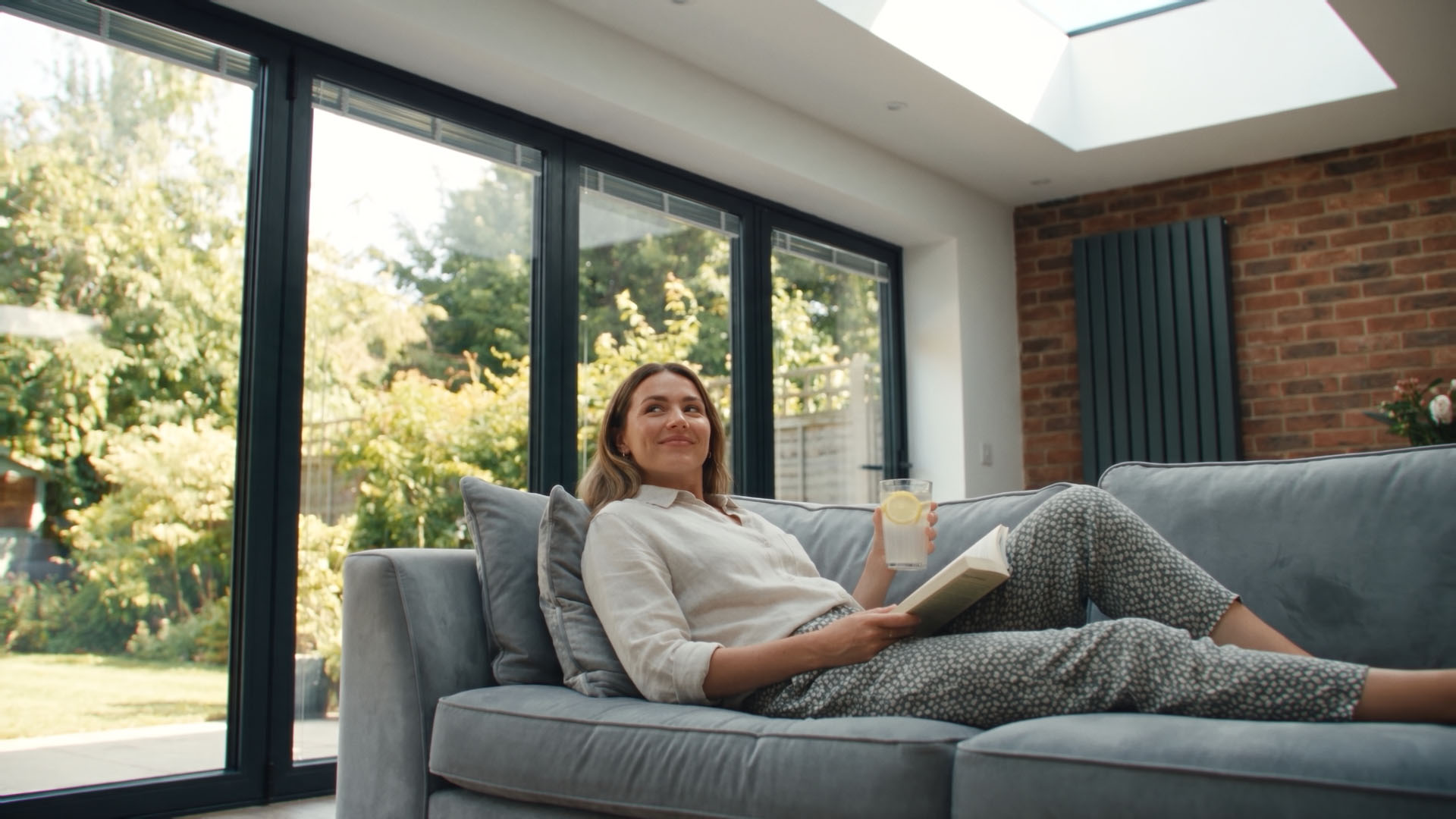
We used AI because it let us bring a bigger, bolder idea to screen, and do it more economically than traditional production would allow. A home full of fans or a bath full of ice would normally ask for a lot of locations, sets and crew.
AI was the tool that helped us realise our vision. The vision itself came from filmmakers: the storyboard, the script, the choice of shots, the edit, the sound and the grade. We combine our ideas and filmmaking knowledge with the technology, and that combination is what we bring to every AI video production at Defy Studios.
Work with us
Got a product or story that deserves this level of care?
Tell us about it. We’ll talk through AI video production, CGI animation or a mix of both.
Start your project